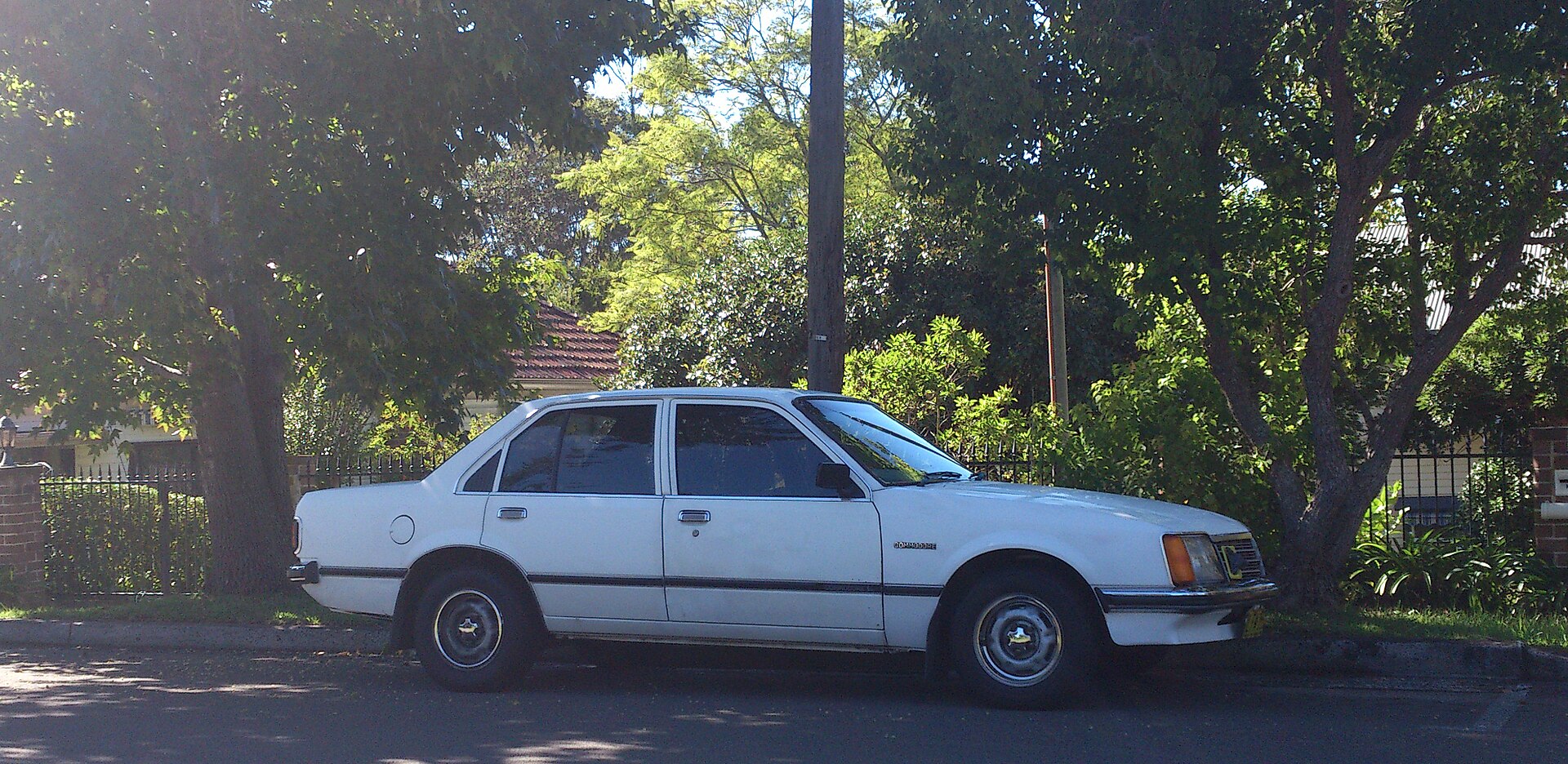
A car yard sells a vehicle. It also, in a great many cases, sells an introduction to a credit contract. Those are not one transaction with two invoices. They are two contracts that happen to be signed on the same afternoon, often with the same pen, while the trade-in figures are still being rewritten on a pad. The useful habit is to read them apart.
This publication is not an Australian credit licensee and does not give credit assistance. Nothing below is a suggestion to finance a car, to pay cash, to use a novated lease, or to walk away from a particular yard, bank or broker.
Dealer-introduced finance is a distribution channel
Most consumer car finance in Australia is not originated by a person who thinks of themselves as a banker. It is introduced by a finance and insurance manager at a dealership, who submits an application to one or more financiers — banks, specialist auto lenders, captive finance arms of manufacturers — and presents an offer back to the buyer.
The dealer is paid for that introduction. The payment may be a flat commission, a volume bonus, a trail, or some combination. What it is no longer supposed to be, in consumer car finance, is the old flex commission: a model in which the introducer could mark up the interest rate within a range and keep a share of the markup. ASIC banned flexible credit cost arrangements in this channel from 2018. The ban did not ban commissions. It banned that particular way of letting the person across the desk set your rate.
A commission is not automatically a conflict that makes the contract unfair. It is a conflict. The finance manager’s incentive is to complete a financed deal, often with add-on insurance and a warranty in the amount financed, not to minimise the cost of credit. ASIC’s add-on insurance work in motor dealerships — including product-intervention orders earlier in the decade — exists because that incentive produced a lot of insurance that did not pay claims. The comparison rate on the loan can look tidy while the amount financed has grown by a warranty, gap insurance, and a paint-protection package the buyer did not walk in asking for.
If you want the mechanism for the percentage on the banner, see comparison rates explained. If you want the mechanism for the asset the lender will take, see secured versus unsecured personal loans. Most dealer-introduced car finance is secured over the car.
Bank, broker, dealer — three desks, one statute
A bank (more carefully: an authorised deposit-taking institution, or a related lender) can write a car loan on its own book. You apply, it assesses serviceability, it takes security over the vehicle, it charges a rate and fees. There is still a distribution incentive — the bank would like the loan — but there is not a yard trying to close a vehicle and a finance product before you go to lunch.
A broker is in the credit-assistance business if they suggest or arrange a particular credit contract. That is licensed work under the NCCP Act. A broker may have a panel of lenders, including some of the same specialist auto funds that dealers use. Commission exists here too. The difference is supposed to be the panel and the disclosure, not a halo. Brokers are not unpaid researchers.
A dealer is also in the credit-assistance business when the finance manager steers you to a particular contract. The licence may sit with a related finance company, an aggregator, or the dealer group. The person you speak to should be a credit representative or otherwise authorised. “We do the paperwork here” is not a licensing category. ASIC has taken action in this channel when the authorisation was missing or the conduct was the point.
All three desks, when they are writing consumer credit, sit under the National Credit Code. Hardship rights, default notices, and comparison-rate advertising attach to the contract, not to the quality of the coffee. All three desks, when they are writing something else — a commercial facility, some fleet products, some novated arrangements — may be outside that Code. The badge on the building does not decide. The contract does.
Complaints follow the licence. Internal dispute resolution at the credit provider or the assistance licensee, then AFCA. Complaints, IDR and AFCA is the process. Credit licences and credit assistance is the perimeter. A dispute about the car — rust, odometer, a promised accessory — is often a different forum, including state tribunals and the Australian Consumer Law. Do not put a lemon-car complaint only through the lender’s hardship team, and do not put a credit-contract complaint only through the yard’s sales manager.
Balloon payments are how a monthly figure is made smaller
A balloon (or residual) is an amount left unpaid at the end of the term. A five-year loan on a $40,000 car with a $12,000 balloon is not a $40,000 loan in monthly clothing. It is a $28,000 amortising loan plus a $12,000 debt that comes due on a date the brochure calls “the end of the term”.
The monthly repayment falls because principal is not being fully repaid. Interest is still being charged on the outstanding balance, including the part that will become the balloon. You may be able to refinance the balloon, pay it from savings, or — in some contracts that are closer to a lease — return the car subject to condition and kilometre rules. Returning the car is not always an option, and it is not always clean.
Balloons are not inherently abusive. They are a structure. They become expensive when the buyer has compared only the monthly figure with another monthly figure, or when the residual was set to a hopeful future value of a car that will be worth less. The comparison rate may not make the balloon obvious. The schedule of repayments will.
Early payout on a balloon product needs its own reading. The amount required to clear the contract at month 18 is not “the remaining monthly payments plus the balloon”. It is whatever the payout figure says, including fees. Ask for that figure as a document, not as a sentence over the roof of the car.
Novated leases are a different legal animal
A novated lease is typically a three-way arrangement among an employee, an employer, and a financier. The employee uses the car. The employer deducts amounts from pay — often as a salary-sacrifice arrangement — and pays the financier. The tax treatment (fringe benefits tax, GST on running costs, the interaction with the employee’s marginal rate) is a large part of the commercial appeal, and is a matter for a tax adviser, not for this site.
At a high level, a novated lease is not the same contract as a consumer car loan under the National Credit Code. Some of the Code’s comparison-rate and hardship machinery may not attach in the same way. The employee still has a problem if they leave the job: the lease may need to be refinanced, taken over personally, or closed out. “The employer pays it” is a payroll description, not a release.
A consumer car loan is simpler to describe. You borrow, you own (subject to the security interest), you repay, the Code applies if it is consumer credit. Whether the novated structure is “better” is a tax-and-employment question this publication will not answer. The only point here is not to price a novated quote against a consumer-loan comparison rate as if they were two brands of the same product.
Read the credit contract as if the car were already yours
The discipline is mechanical. Finish the conversation about the vehicle — price, extras, trade-in, delivery date — and then read the finance documents as a separate pile.
Look at the amount financed, not the drive-away figure on the windscreen. The amount financed is where warranties, insurance, registration and fees are absorbed. Look at the annual percentage rate and the comparison rate, and at the assumptions under the comparison rate. Look at the term and at any balloon. Look at the security clause: it will be the car, and it may be more. Look at the early-payout rules. Look at the add-on products and whether each is optional in fact, not only on a cover sheet.
Then look at the licensing line. Who is the credit provider. Who is giving credit assistance. Which Australian credit licence sits behind the person who printed the offer. If that question produces a shrug, you do not yet have a complete counterparty.
None of this requires you to be rude in the yard. It requires you not to treat a single “finance approved” stamp as a reading of the contract. Approval is a credit decision. It is not a summary of fees.
If the loan is consumer credit and you later cannot pay, the Code’s default-notice and hardship paths apply to the credit provider, not to the salesperson who is no longer on shift. When you cannot pay a loan and hardship variations are those paths. Repossession of a car is the secured-credit version of enforcement, not a special motor-industry ritual.
The National Debt Helpline is 1800 007 007. Moneysmart has a car-loan section that is drier than a brochure and more accurate. AFCA is the ombudsman if the dispute is about the credit. This site will not pick a channel for you. The cheaper monthly figure at the dealer is often a balloon, a longer term, or a packed add-on. The cheaper rate at the bank is sometimes a different amount financed. The broker’s “panel” is sometimes the same three lenders the dealer already uses. The contract, read apart from the car, is the only document that settles the argument.